The material mechanism
Optical materials can be designed to manage transmission at selected wavelengths. Protection must be evaluated against a defined laser exposure while preserving the optical function required by the user or sensor.
Optical / Visible & Near-infrared
Laser protection
Optical material approaches to protection from visible and near-infrared laser threats, evaluated against the needs of the intended application.
Discuss Laser protection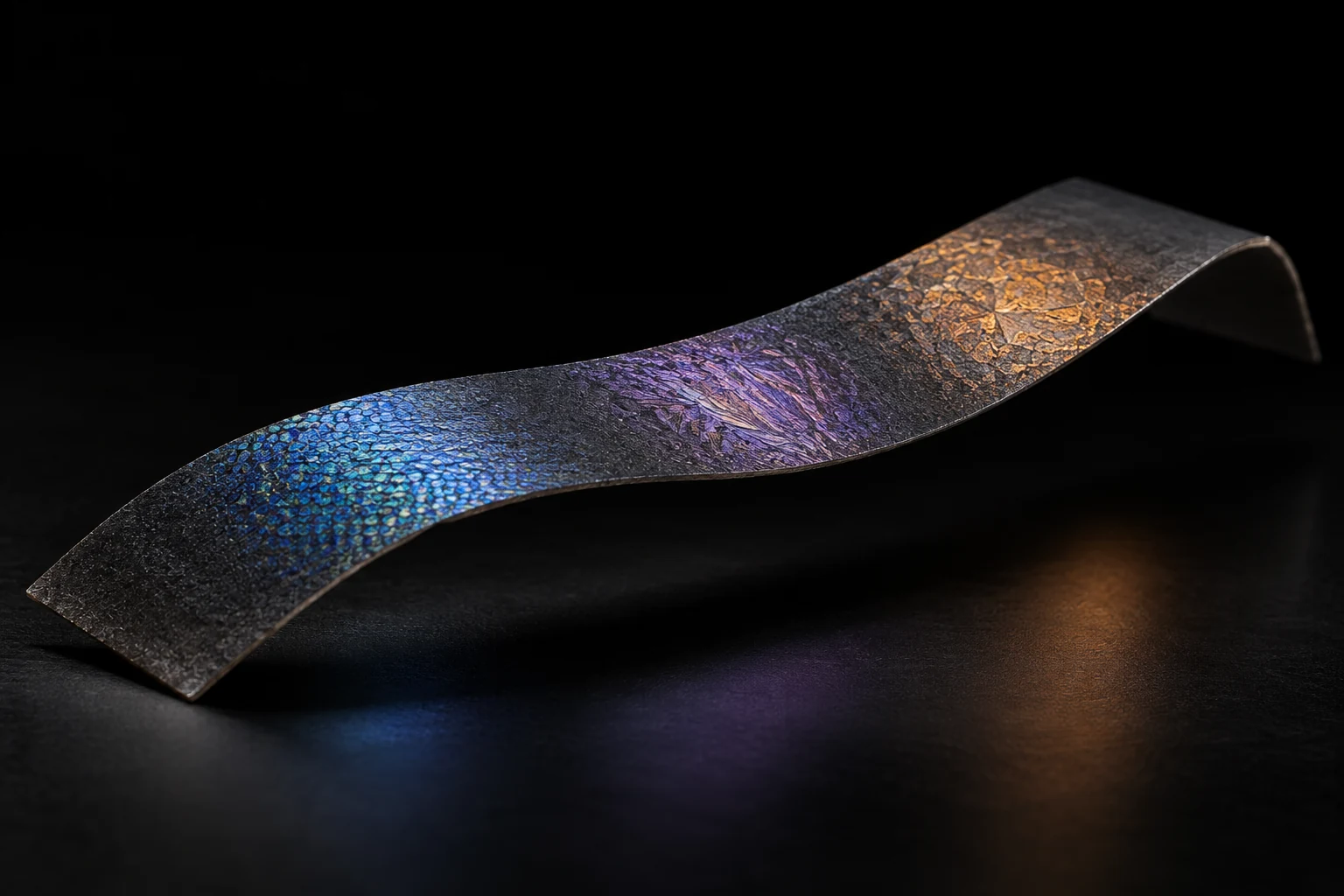
AI-generated conceptual illustration. Illustrative material visualization.
Material approach
Laser-protection materials must be discussed alongside the optical function they need to preserve. The relevant wavelengths, exposure conditions, transmission, and form factor establish the evaluation requirement.
Application examples are integration opportunities. Suitability and performance depend on evaluation for the specific use.
How it works
Optical materials can be designed to manage transmission at selected wavelengths. Protection must be evaluated against a defined laser exposure while preserving the optical function required by the user or sensor.
Match the material format to the optical window or surface. Transmission, haze, color, field of view, coating durability, and compatibility with the underlying optics need to be considered together.
Define wavelengths and exposure conditions before testing. Application-specific safety and optical testing are required; no protective rating is implied by an illustrative material concept.
What shapes an evaluation
Bring the conditions that matter to your system. We can use them to frame a focused technical conversation.
What wavelengths and exposure conditions define the evaluation?
What transmission, clarity, field of view, and color requirements must be preserved?
What substrate, coating method, geometry, and environmental conditions apply?
What safety and performance testing is required for the intended use?
Start with the problem
Tell us what your system needs to do, the constraints it faces, and the evidence your team needs next.